
Stake Horse Racing: Racecards, Win and Each-Way Bets

Horse racing requires more than choosing a recognisable horse or a short price. When reviewing events on Stakeidentify the course, race time and market before comparing runners. A win ticket and a place ticket ask different questions, while an each-way wager contains two portions that affect the total cost.
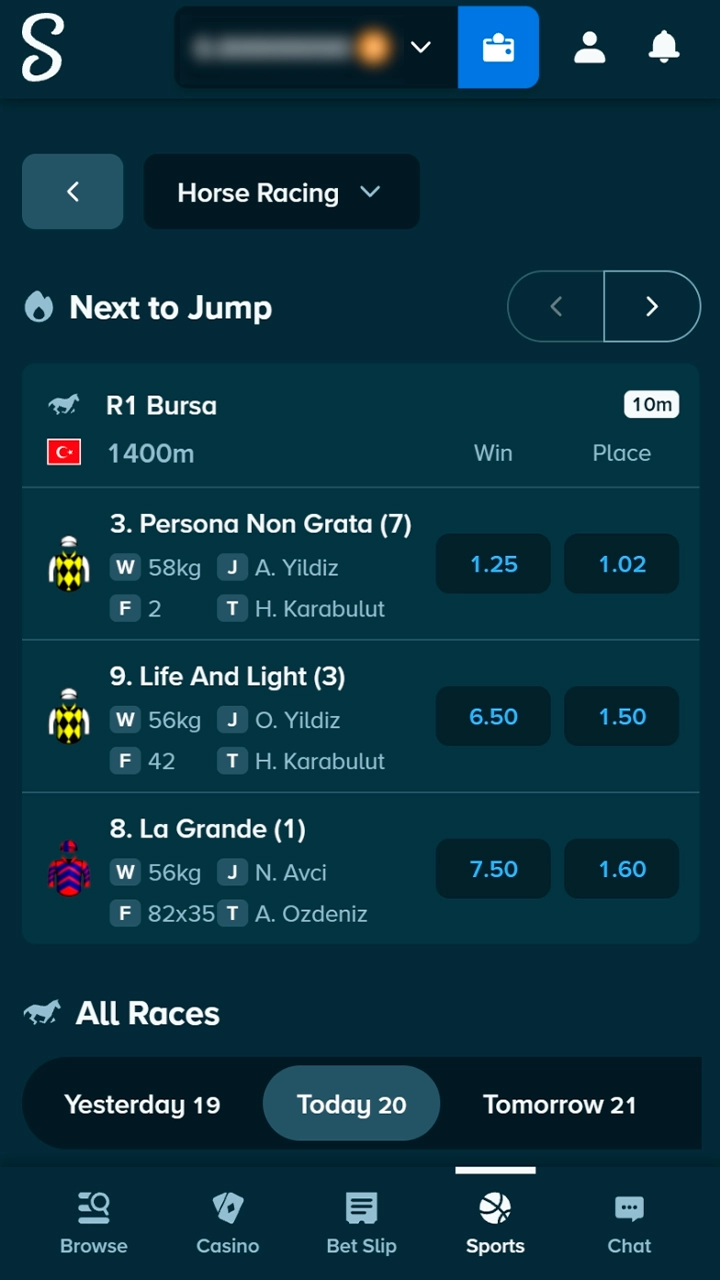
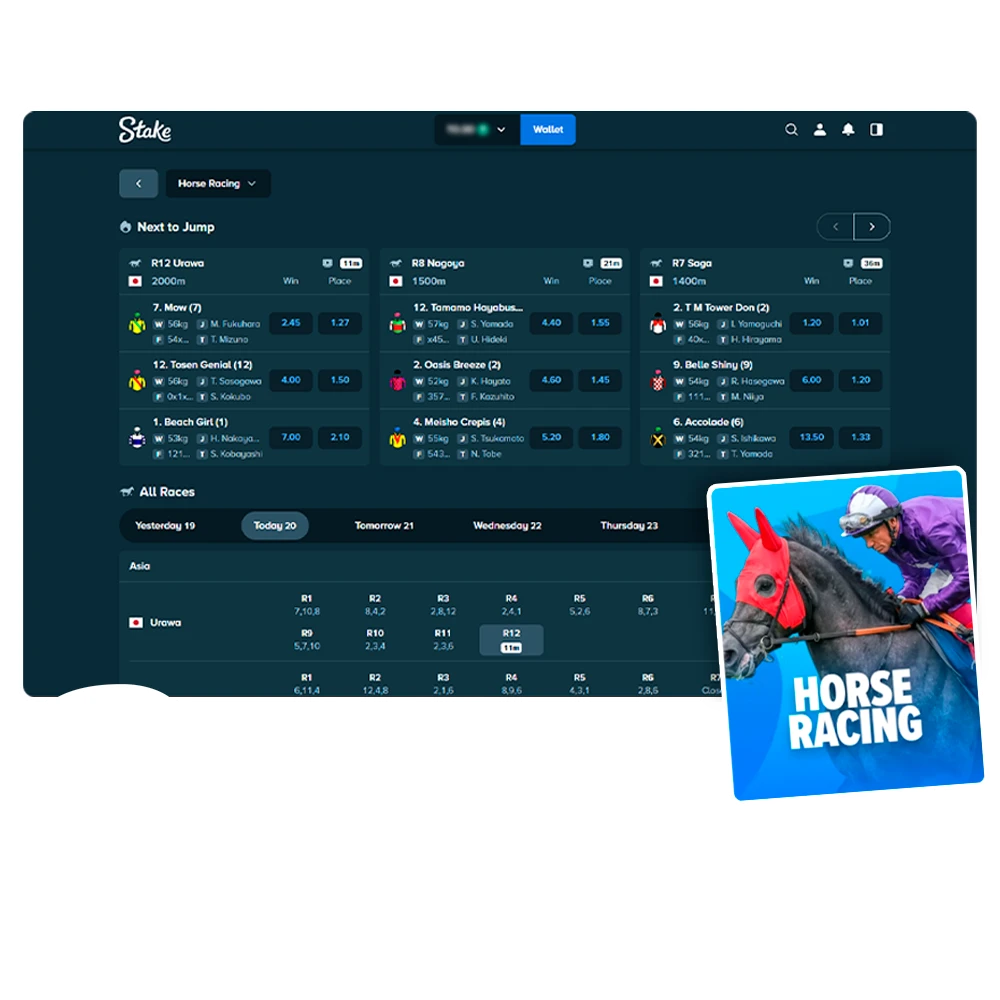
Open the racecard to compare runners, distance, going, jockeys and available win or place markets. Each-way bets combine two selections and therefore require checking the total stake and number of paid places. Follow the race time, declarations and non-runner rules before confirming the ticket. Use the mobile sportsbook to inspect current race prices, available coverage and the accepted wager, with account history providing the settlement record after the result.

Horse racing guide illustration

Racecard and sportsbook checks

A racecard should make the race, runner and price identifiable. Read the distance, surface and going before interpreting a horse's previous results. Performance at one trip or track does not automatically transfer to another.
Confirm the final runners and any withdrawal because a smaller field can change place terms and market treatment. Compare the same win or place market, not just the largest number on the screen. For each-way tickets, check how much is charged across both portions. Streaming can be useful context if offered, but delayed footage is not a guaranteed timing advantage. Finally, read actual cashier limits and processing information rather than promising instant deposits or withdrawals.

International races and course context

Major racing events differ in distance, surface and race type. Use the following overview as a research framework, then consult the current racecard and market terms rather than assuming every event appears with identical coverage.

Royal Ascot event illustration

Royal Ascot

Ascot's festival includes separate races rather than one overall horse-race result. Identify the specific contest, runners and distance before selecting a ticket.

  • Race type: Flat contests with different distances across the meeting.
  • Research focus: Going, trip suitability and the strength of the individual field.
  • Before betting: Match the race name and time to the accepted ticket.

A runner suited to a sprint is not automatically suited to a staying race. Compare the actual conditions instead of treating the festival's prestige as a prediction.


Kentucky Derby event illustration

Kentucky Derby

Churchill Downs provides a specific dirt-racing context. Analyse the confirmed field and race conditions rather than relying on a favourite list from an earlier edition.

  • Race type: A dirt contest for three-year-old thoroughbreds.
  • Research focus: Prior distance experience, pace and draw context.
  • Before betting: Confirm entry, starting position and non-runner conditions.

A strong trial result provides evidence to examine, not certainty. The pace and field of the actual race may differ from the earlier run.

Grand National event illustration

Grand National

Aintree's steeplechase demands a different assessment from flat racing. Jumping, stamina and completion risk deserve attention before comparing a win selection with a place wager.

  • Race type: A long-distance steeplechase over fences.
  • Research focus: Jumping record, stamina and current race conditions.
  • Before betting: Read the declared field and exact place terms.

A horse failing to finish can lose a place ticket as well as a win bet. An expanded place offer must be explicitly stated; it should not be inferred from the event name.

Melbourne Cup event illustration

Melbourne Cup

Flemington's staying contest requires attention to distance and assigned weight. Compare the specific runner's preparation and race conditions rather than a broad regional reputation.

  • Race type: A long-distance handicap on the flat.
  • Research focus: Weight, stamina, draw and going.
  • Before betting: Check the current field and market settlement conditions.

Handicap weight is part of the racing contest, while a bookmaker's market conditions govern the wager. Keep those two uses of information separate.

Dubai World Cup event illustration

Dubai World Cup

Meydan's international racing needs current entry and surface information. Do not assume that a horse's result on turf translates unchanged to a dirt contest.

  • Race type: An elite dirt-racing contest.
  • Research focus: Surface experience, recent preparation and matchup strength.
  • Before betting: Confirm the specific race and final declared runners.

Prize money and an international field do not make an outcome predictable. Read the odds and terms for the actual race before considering any selection.

Review a racing ticket step by step

Locate the race and understand the desired outcome before dealing with the account process. Eligible users can then follow these checks on the operator platform.

1

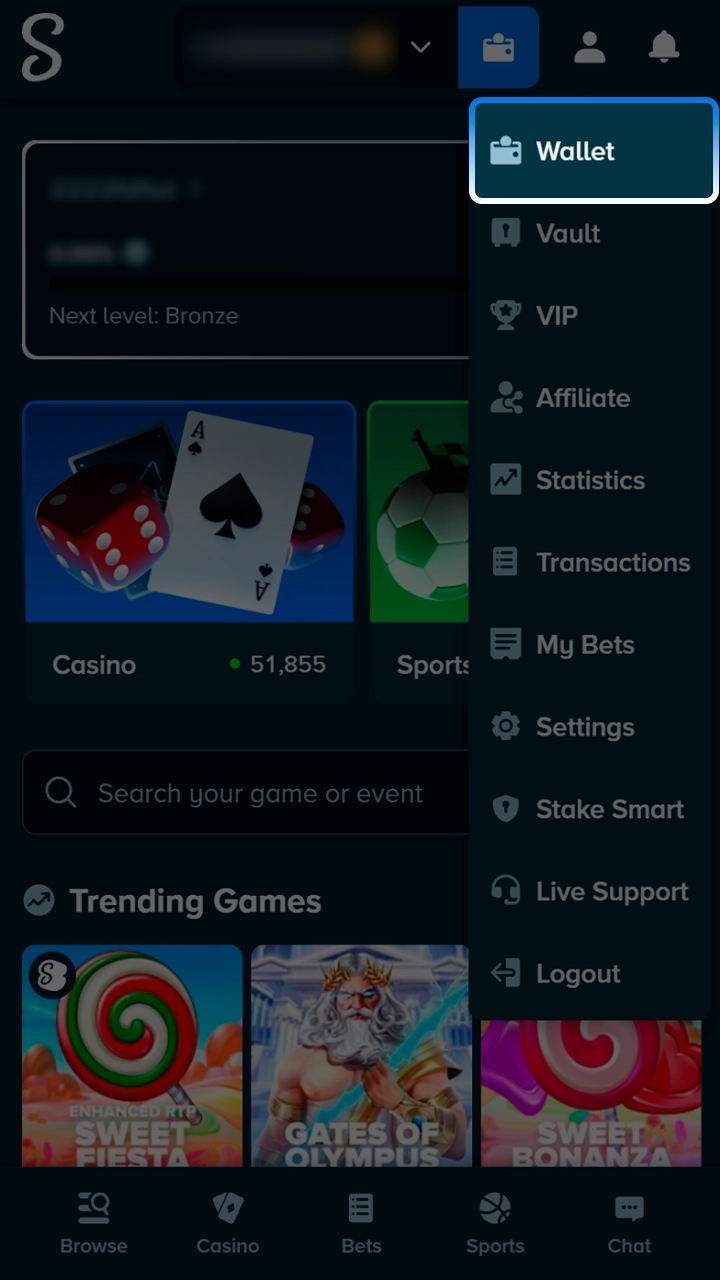
Read account requirements

Stake account screen in the racing guide

Review the registration guide before entering accurate details or signing in. Check location conditions and complete any verification requested by the operator.

Register
2

Inspect the cashier

Stake cashier screen in the racing guide

Check the supported payment option with its currency, fees and limits. Use the transfer instructions actually shown to your account.

3

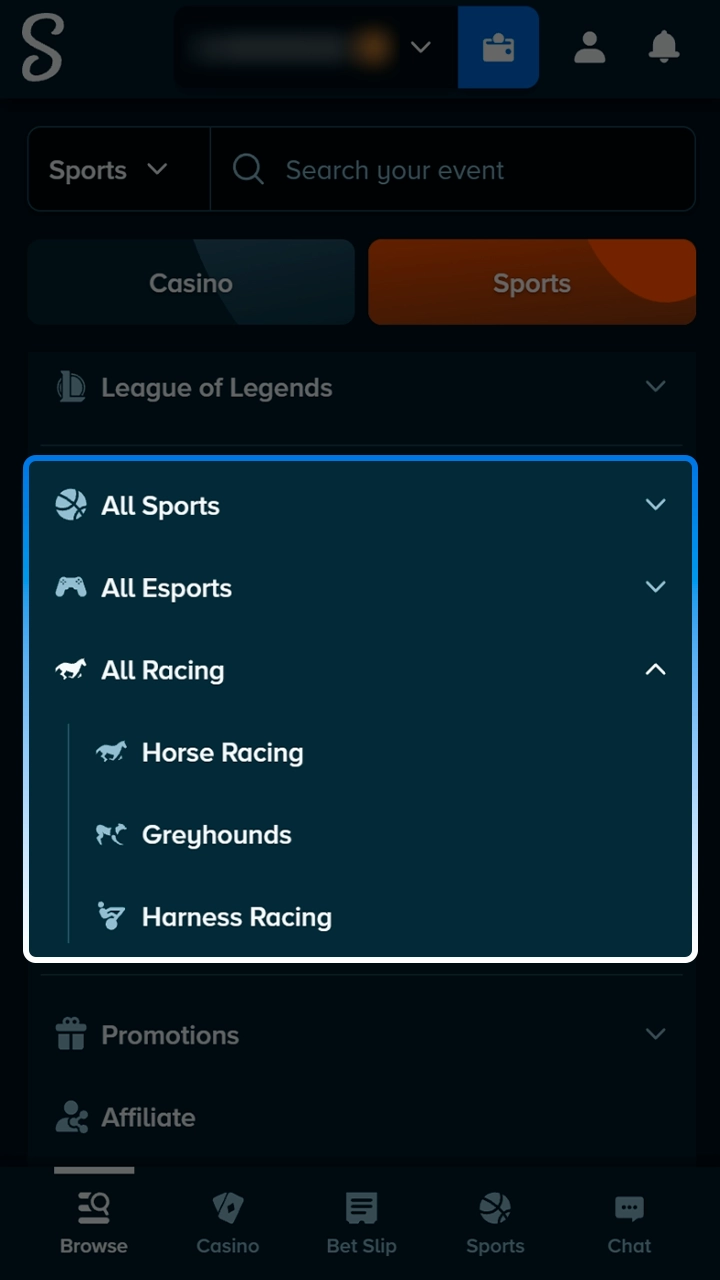
Find the racing section

Stake sports navigation in the racing guide

Open Sports and locate the listed racing events. The navigation may distinguish racing from other sporting fixtures.

4

Check the racecard and time

Horse racing event selection on Stake
5

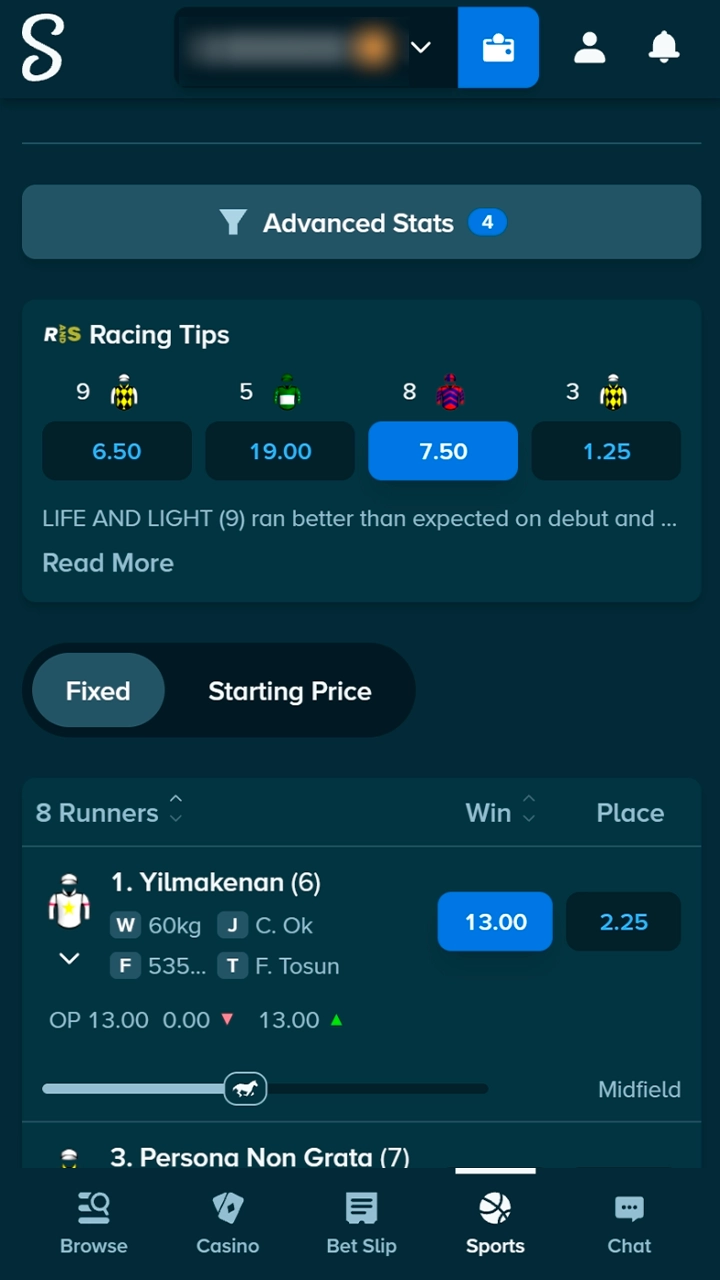
Read win, place or each-way terms

Horse racing market selection on Stake

Confirm the runner, market and any place fraction. For each-way betting, check both portions and the total outlay rather than only one displayed amount.

6

Review final confirmation

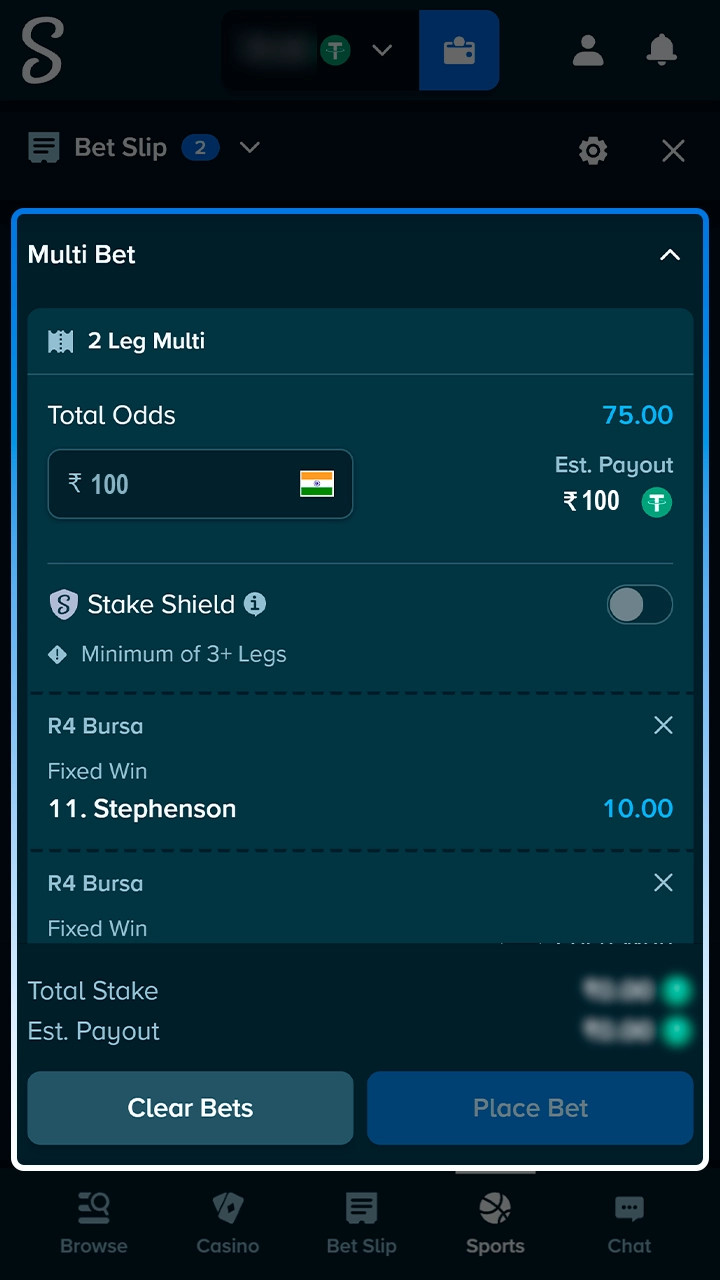
Horse racing selection in the Stake bet slip

Enter a budgeted stake, check accepted odds and save the ticket reference. A price shown before the race is not proof of an accepted wager.

Live racing, streams and market timing

Check whether the race offers pre-start betting only or an actual in-running market. Do not assume prices remain open after the start. A stream or race tracker can be delayed compared with the information used to manage the market.
Follow the race through the event page and inspect the accepted ticket after each selection. Prices may pause or change as the race approaches, so check the confirmation rather than submitting the same request twice. Where race coverage is available, read its access conditions and keep the market definition visible. The result and applicable racing rules determine settlement.

Racing promotions and eligibility

Review the current offer details before treating an advertised benefit as part of your budget. The reward must be active for the account and race you intend to inspect.

  • General rewards: Check the calculation, qualifying activity, expiry and withdrawal conditions. Do not assume a universal referral deadline or fixed rakeback percentage from a past campaign.
  • Extra-place or special-payout offers: Read the named race, place terms, maximum stake and qualifying bet format. A second-place result does not pay as a win unless the actual offer explicitly says so.
  • Refund offers: Verify the trigger and whether the reward is cash, credit or a free bet. Minimum odds, bet timing and account eligibility may apply; no fixed INR refund is promised here.

Racing odds and return calculations

For a normal winning cash bet, multiply the stake by the accepted decimal price for total return. A 100-unit stake at 5.00 returns 500 units, including the original 100. Fractional 4/1 describes the same 400-unit profit on that stake. These are arithmetic examples, not current race odds.
Each-way wagers require a separate place calculation and a check of the entire amount charged. Withdrawals, tied finishes and non-runners can alter settlement under the applicable racing rules. Read those conditions instead of assuming a displayed possible return is unconditional.

Questions and answers

Can every race be bet on live from a phone?

No. Check the listed event for mobile access and any in-running market. Coverage can stop before the race or pause during it, and streaming is not promised for every fixture.

Does racing's skill element establish online permission?

No. Historical treatment of racing is not a blanket approval for an offshore online service. Review current applicable Indian requirements and operator restrictions before considering account use.

Are racing free bets always available?

No. Read the current offer for your account, including race eligibility, minimum odds, maximum reward and expiry. A free bet may have different return and withdrawal rules from cash.

How do decimal and fractional racing odds compare?

Decimal odds show total return including stake, while fractional odds show profit relative to stake. Decimal 3.00 and fractional 2/1 describe the same normal winning cash return; check the accepted price and any place calculation.

Comments

Check this field

Check this field

Check this field

This note stays on your device and is not sent to an operator.

Content reviewed: